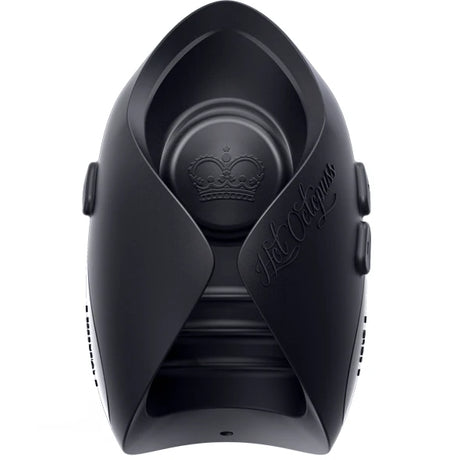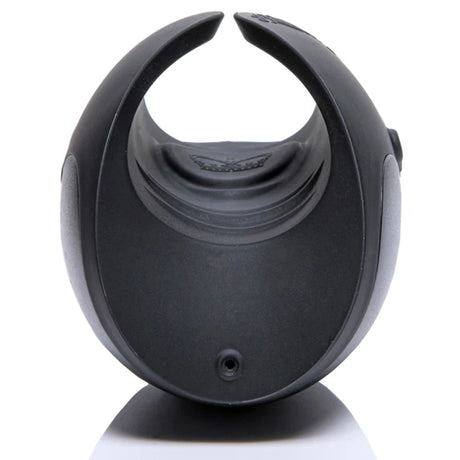

Sex toys. Once reserved for backstreet discreet adult shops and Ann Summers, these days you can find them on almost every bedside table, advertised on reels sandwiched between ads for matcha and trainers, and openly celebrated on podcasts and influencer Instagrams. The taboo has been removed, and the general consensus is that toys are tools for pleasure, fun and connection. But this celebration, acceptance and wide adoption of toys has still been, for the most part, reserved for women.
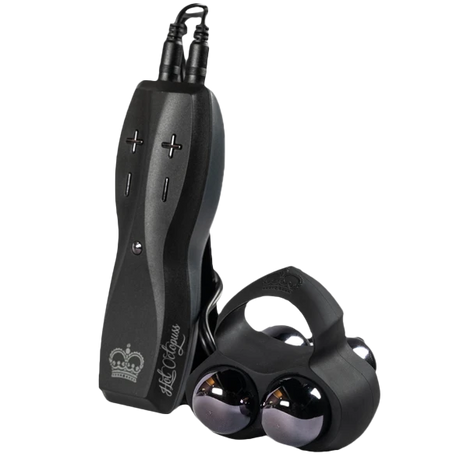
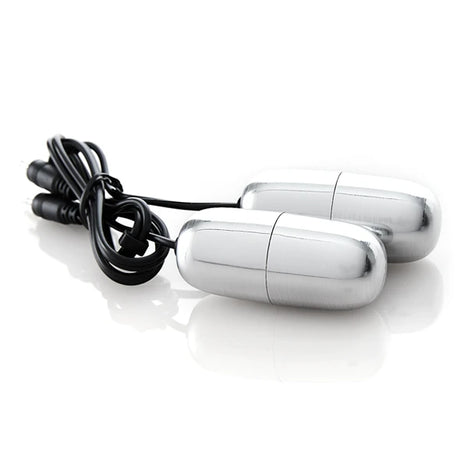
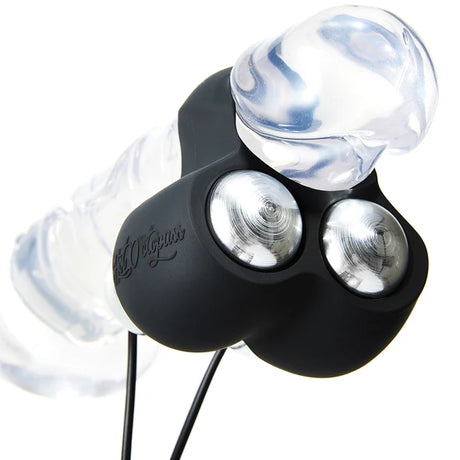
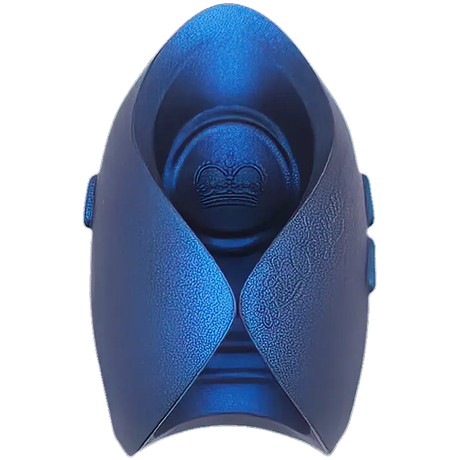
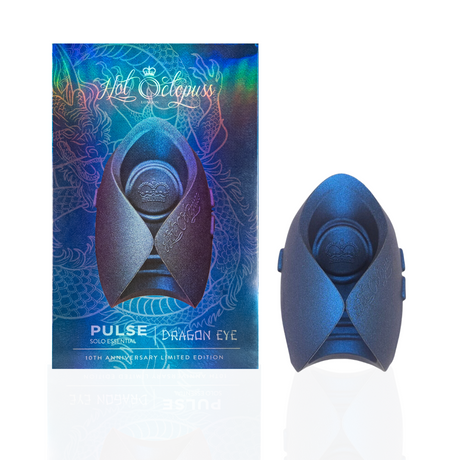
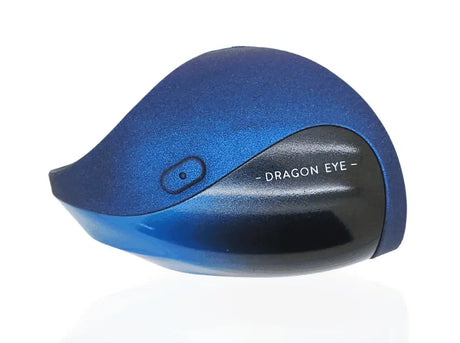
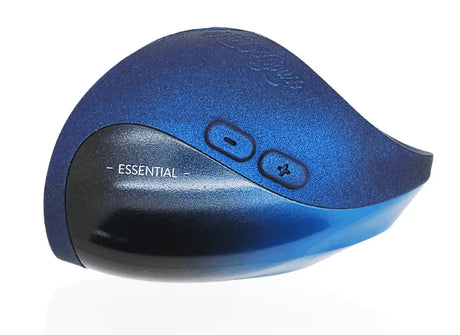
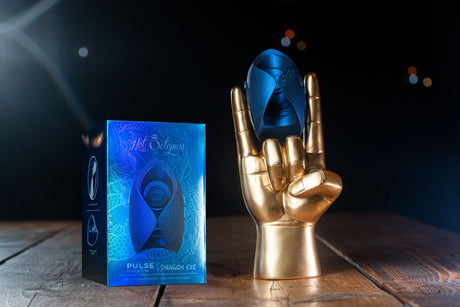
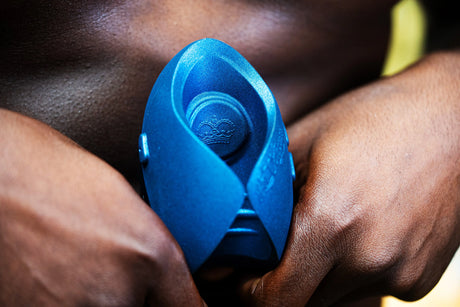
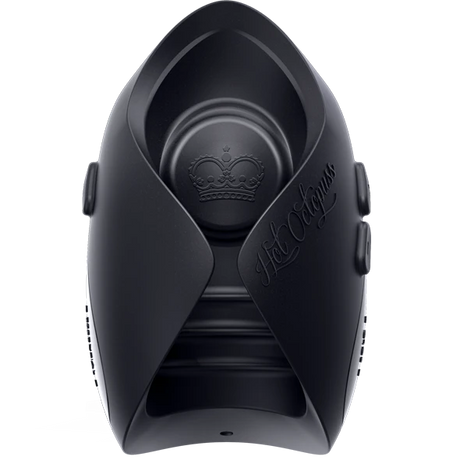
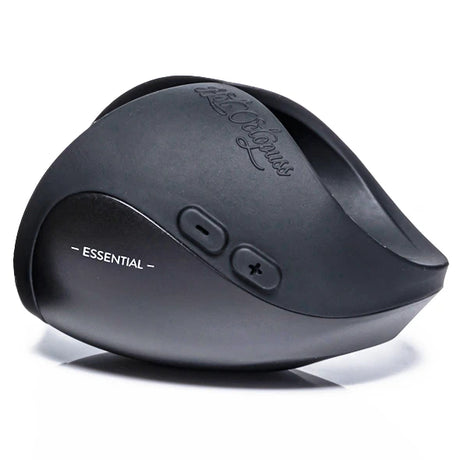
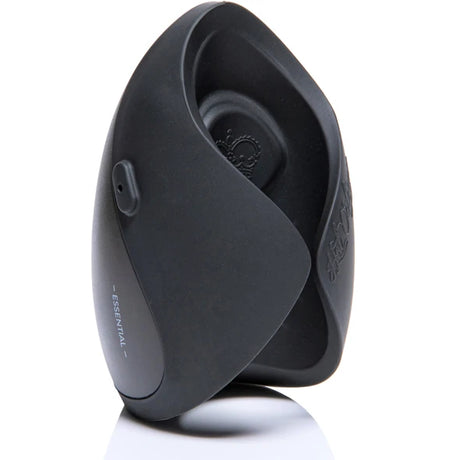
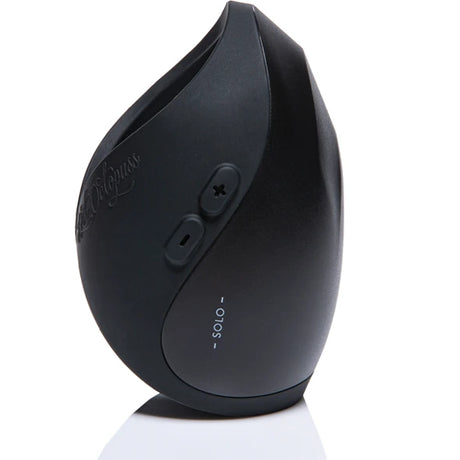
I’m not suggesting that only women use toys. The market for men’s sex toys is certainly growing, and the technology has advanced at lightning speed beyond the standard Fleshlight, the spearhead of men’s toys.
Men are using and buying toys, and I personally recommend them to my clients, but there is still a stigma and some level of judgement towards men who use them.
Women celebrate owning and claiming their pleasure. And those of us who prioritise our partner’s pleasure absolutely love the fact that we now have comrades alongside us who can enhance her, and therefore our, sexual experiences. Using a tool to help a woman reach climax more efficiently is a huge win for everyone.
But men continue to pleasure themselves, on the whole, in secret. Quietly. Perhaps with a level of shame hanging over them.
The image of a woman with a sex toy is one of empowerment, sensuality, pleasure, aliveness and joy. But think of a man using a sex toy and the image is seedy, pathetic, lonely and somehow creepy.
I’ve seen reels of women saying how strange it is that a man would use a disembodied vagina for pleasure, that it’s weird, without seeing the irony in what a dildo is.
Men’s self-pleasure is treated by the media as a bit of a joke, a bit sad. Look at films like American Pie, where the message is: losers masturbate. Because they can’t get laid and can’t get a girlfriend.
That celebration of pleasure and empowerment is missing entirely when it comes to men’s toys.
Where the double standard comes from
So why does the same object mean two completely different things depending on who’s holding it?
I think it comes back to what we’re taught masculinity is supposed to be. A man’s sexuality is meant to be natural and effortless. He’s meant to be ready, capable and self-sufficient, with no help required. Pick up a toy and, according to that script, you’re admitting you need a supplement. Sex historians describe how male toys get read as a sign of failure for straight men. The assumption underneath it is that a man who uses one must be unable to get ‘The real thing’ and is settling for a substitute.
What’s interesting is that this doesn’t seem to be about men in general. Research consistently finds that gay and bisexual men use toys more than straight men, and they tend to see them as something that improves the experience rather than a sign something has gone wrong. Same bodies, same toys. The difference is the script straight men have been handed.
It’s more common than the silence suggests
Because nobody talks about it, it feels rare. It isn’t. Large surveys across Europe have found that more than half of adults have owned a sex toy, and most of those owners have used them both alone and with a partner. Plenty of men are using them. They’re just not saying so.
And the silence has a cost. Sex researcher Justin Lehmiller points out that when toys for men are stigmatised, men feel more shame and embarrassment buying and using them, which means they miss out on the benefits.
What they can actually offer
This is the part I see up close with clients. Beyond fun, a toy can be a practice tool. For a man dealing with performance anxiety, solo practice with a toy lets him explore sensation and learn how his own arousal builds, with no partner and no pressure. It’s a safe place to build awareness and control before taking it into the bedroom.
There’s some early research behind this too. A few small studies and case reports suggest masturbation sleeves can help with delayed and premature ejaculation, and some urologists and sex therapists now recommend them. I’d be careful not to oversell it. The evidence is limited, and a toy isn’t a replacement for proper treatment. But as a way of building confidence and body awareness, it’s a legitimate tool, not a last resort.
What would actually change it
A few things, I think.
Seeing toys as an enhancement, not a replacement. Lehmiller makes the point that when we stop treating toys as a threat or a stand-in for a partner and see them as an add-on to a healthy sex life, a lot of the stigma falls away. That’s exactly how we’ve come to see them for women.
Men being honest about it. It really does just take a few men being open. One mate saying ‘yeah, I use one, it’s great’ does more than any article. The silence is what keeps the shame alive.
Clinical legitimacy. The more therapists and doctors recommend toys as part of treating things like ED and premature ejaculation, the more they shift from taboo to tool.
Better, more normal conversations in relationships. Plenty of women are already celebrating toys for themselves. Bringing one into the bedroom as something you explore together, rather than something hidden in a drawer, takes the shame out of it.
The bottom line
A man using a toy isn’t pathetic, lonely or failing at sex. He’s exploring his pleasure and learning about his body, which is exactly what we applaud women for. It’s time the same freedom applied to us.